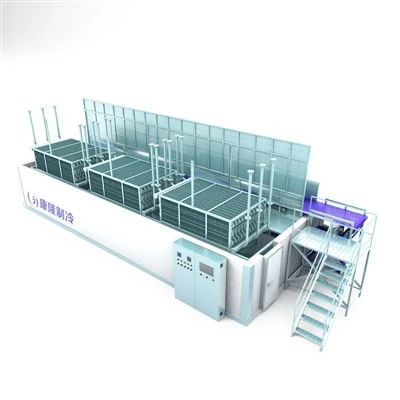


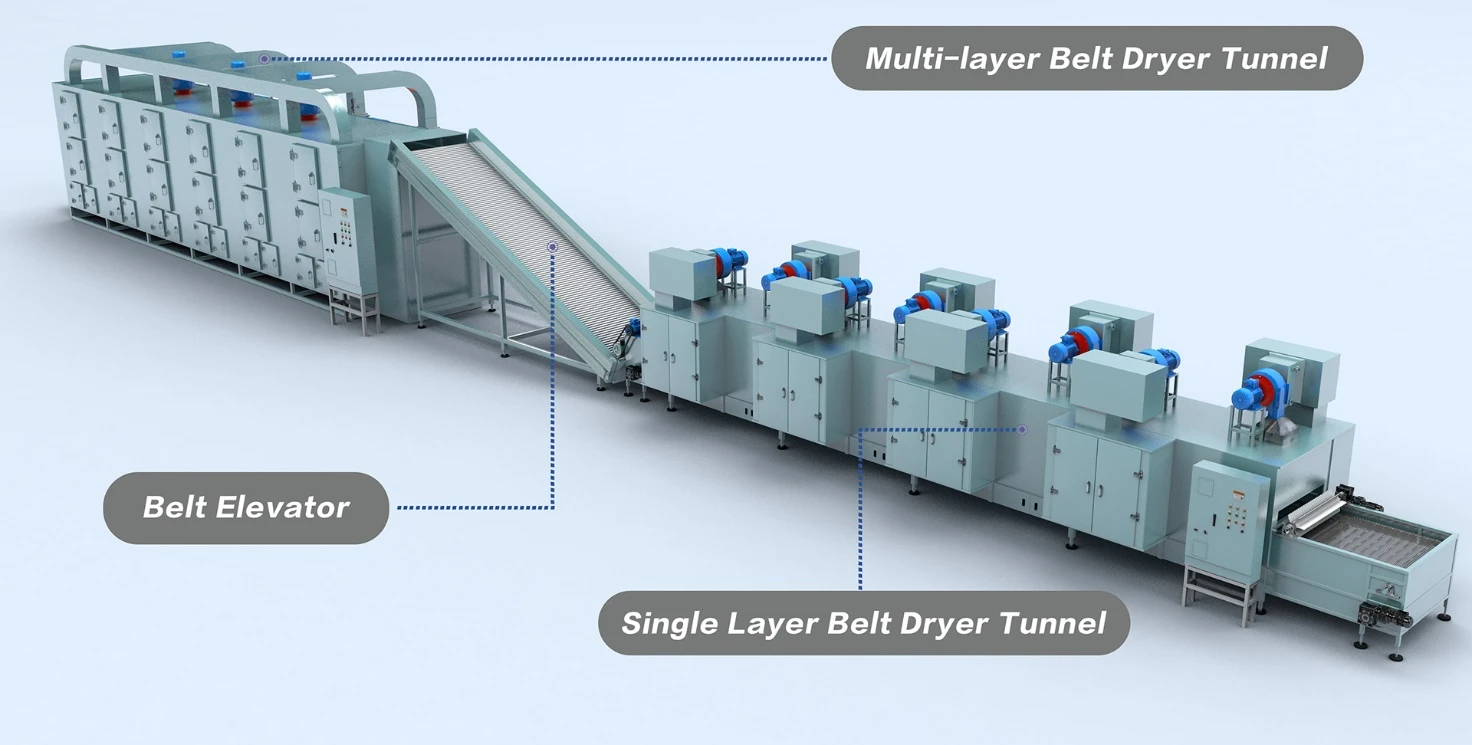
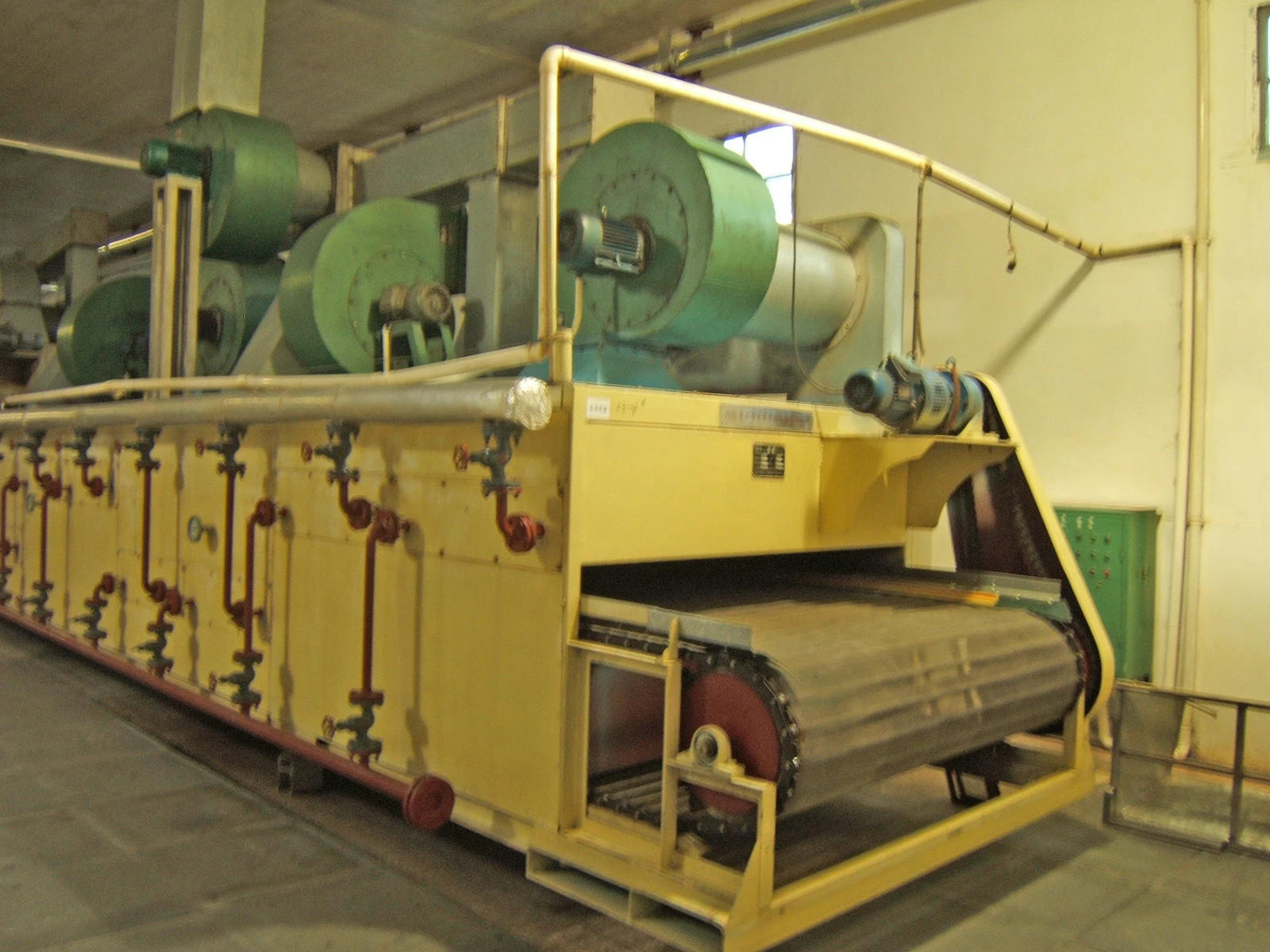
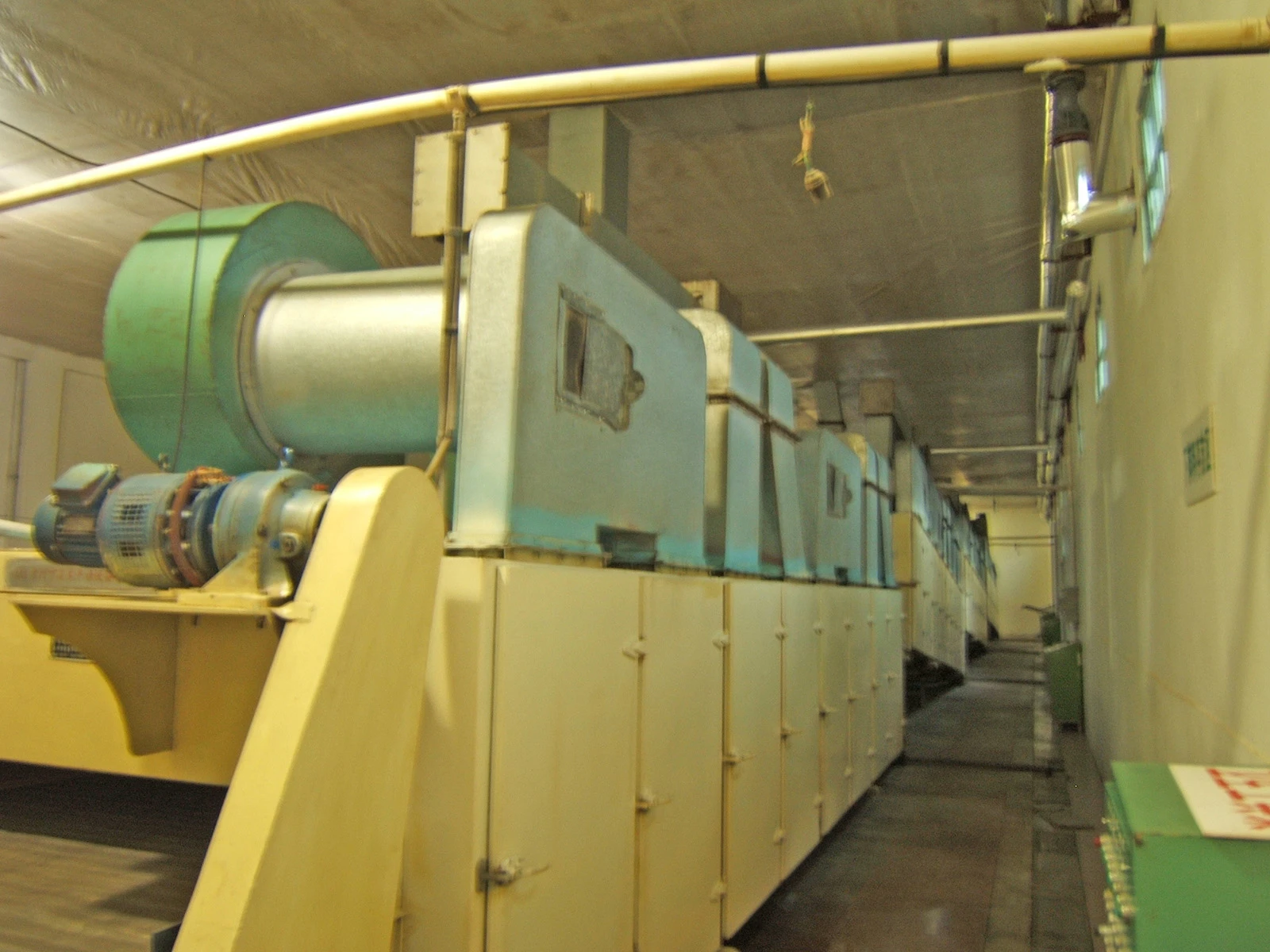
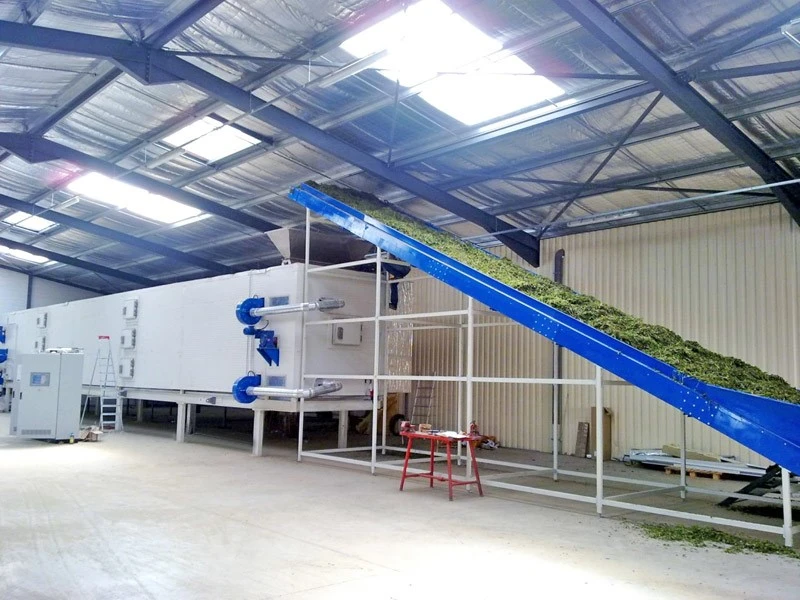
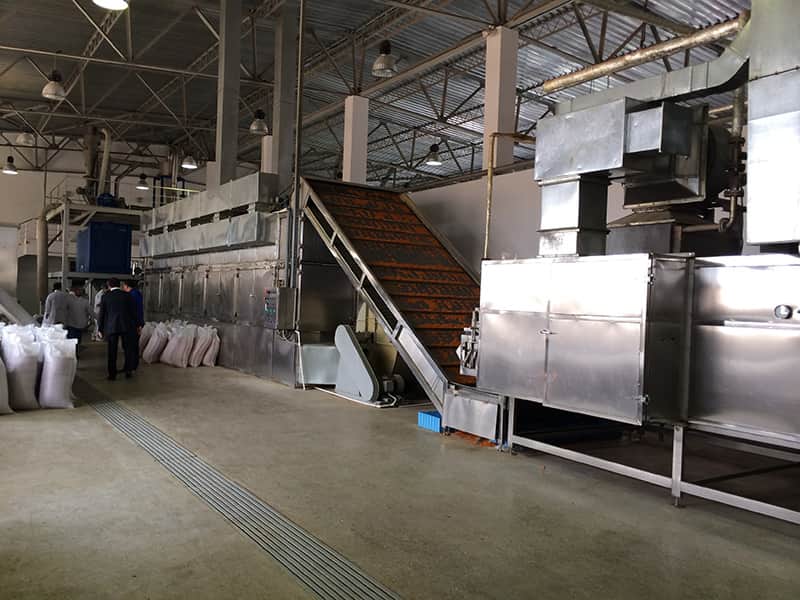
Modern food processors need drying equipment that can handle changing recipes without sacrificing consistency. An automatic belt dryer moves products through several independent temperature zones, where airflow, heat, and humidity can be adjusted for each processing stage. This controlled approach improves heat and mass transfer, reduces uneven moisture, and helps preserve color, texture, aroma, and nutritional value. Cross-flow air ducts deliver balanced air to both sides of the product bed, supporting stable results across the full belt width.
Every Belt Dryer In Food Industry can be configured around product characteristics, required final moisture, available floor space, and connected equipment. Infeed height, discharge direction, belt speed, loading depth, and zone settings can all be customized. Modular construction also lets buyers choose factory pre-assembly or field assembly. Pre-assembly shortens installation time, while field assembly suits restricted plant access and may reduce shipping costs. The result is a reliable continuous system that combines processing flexibility, straightforward operation, and efficient energy use.
SPECIFICATIONS
|
|
HS-II-1.6-I Feed Section |
HS-II-1.6-II Mid Section |
HS-II-1.6-III Discharge Section |
HS-II-2-I Feed Section |
HS-II-2-II Mid Section |
HS-II-2-III Discharge Section |
|
Width of Belt (m) |
1.6 |
1.6 |
1.6 |
2 |
2 |
2 |
|
Length of Drying Section (m) |
10 |
10 |
10 |
10 |
10 |
8 |
|
Material Layer Thickness (mm) |
≤100 |
≤100 |
≤100 |
≤100 |
≤100 |
≤100 |
|
Temperature (°C) |
50–150 |
50–150 |
50–150 |
50–150 |
50–150 |
50–150 |
|
Heat Exchange Area (m²) |
525 |
398 |
262.5 |
656 |
497 |
327.5 |
|
Steam Pressure (MPa) |
0.2–0.8 |
0.2–0.8 |
0.2–0.8 |
0.2–0.8 |
0.2–0.8 |
0.2–0.8 |
|
Drying Time (h) |
0.2–1.2 |
0.2–1.2 |
0.2–1.2 |
0.2–1.2 |
0.2–1.2 |
0.2–1.2 |
|
Power (kW) |
0.75 |
0.75 |
0.75 |
0.75 |
0.75 |
0.75 |
|
Overall Dimensions (m) |
12 × 1.8 × 1.9 |
12 × 1.8 × 1.9 |
12 × 1.8 × 1.9 |
12 × 2.4 × 1.92 |
12 × 2.4 × 1.92 |
12 × 2.4 × 1.92 |
APPLICATIONS
The dryer is suitable for potato strips, fruit slices, vegetables, noodles, snack foods, cereals, herbs, seafood, meat products, and other materials with good air permeability. With a granulator or extrusion device, it can also process certain pastes or filter cakes. A rotary feeder spreads material evenly across the belt, while mixers and scrapers provide stable transfer to the next production stage.
Depending on the selected temperature and airflow profile, the Belt Dryer In Food Industry can work as a dryer, oven, roaster, toaster, or cooler. Because products travel steadily without repeated dropping or turning, the system supports gentle handling and consistent final moisture. It is especially valuable for continuous food lines that require repeatable quality, flexible capacity, and easy integration with washing, cutting, blanching, seasoning, cooling, or packaging equipment.

Q&A
Q: What is a belt dryer tunnel?
A: A belt dryer tunnel continuously moves products through controlled heating zones to remove moisture evenly and efficiently.
Q: What products can be dried in a belt dryer tunnel?
A: It is suitable for fruits, vegetables, seafood, meat, herbs, grains, snack foods, chemicals, and other granular, sliced, or strip-shaped materials.
Q: How does a belt dryer tunnel control moisture?
A: Operators can adjust temperature, airflow, humidity, belt speed, and material thickness to achieve the required final moisture level.
Q: What is the typical drying temperature?
A: The usual temperature range is approximately 50–150°C, depending on the product and drying requirements.
Hot Tags: belt dryer in food industry, China belt dryer in food industry manufacturers, suppliers, factory, Belt Dryer, Belt Dryer In Food Industry, Conveyor Belt Dryer, Conveyor Dryer, Hot Air Conveyor Dryer, Vacuum Belt Dryer